 Royal Society of New South Wales
2025 Postgraduate Student and
Early Career Researcher
Award Presentations
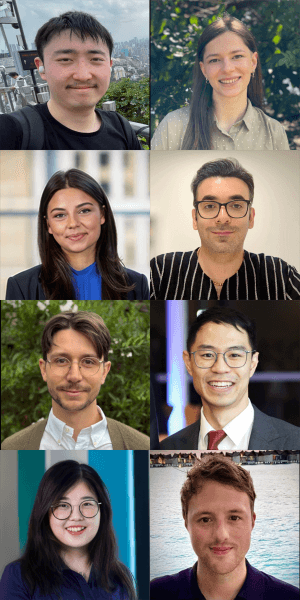
Dr Yunlong Qiang, University of Sydney
Ms Eilish McMaster, University of Sydney
Ms Isabelle Nicolas, Macquarie University
Mr Amir Tourani, Western Sydney University
Mr Christopher Whyte, University of Sydney
Dr Adrian Lee, Westmead Institute for Medical Research
Dr Jiayan Liao, University of Technology Sydney
Dr Brandon Munn, University of Sydney
Date: Monday, 9 March 2026, 6.00 — 8.30 pm AEDT
Venue: University of Sydney, Michael Spence Building (F23), Level 5 Function Room
Entry: No charge
Registration: Please register before 5.00 pm on Tuesday, 3 March 2026
All are welcome
The evening’s program comprises eight short talks presented by PhD research candidates who have been awarded the Society’s Jak Kelly Award and Royal Society of NSW Bicentennial Scholarships for 2025, and early career researchers who have been awarded Royal Society of NSW Early Career Research and Service Citations for 2025. Mr Robyn Williams AO FRSN FAA of the ABC Science Show will chair the presentation of awards and will conduct a discussion with each of the postgraduate students and ECR speakers.
The evening is being generously hosted by the University of Sydney in the Level 5 Function Room of the Michael Spence Building (F23) on the Camperdown Campus. Refreshments will be served at the conclusion of the event.
Please follow the links below to read a summary of each presentation and a brief biography of each presenter.
Dr Yunlong Qiang (Jak Kelly Award) — Novel Soliton Solutions: Uncovering the mysteries of higher order dispersion
Ms Eilish McMaster (Scholarship Winner) — Combining spatial, genetic, and environmental risk data to define and prioritise in situ conservation units
Ms Isabelle Nicolas (Scholarship Winner) — Balancing legal privilege with anti-money laundering obligations
Mr Amir Tourani (Scholarship Winner) — Sick of bad dates? Try sensing their microbiome! Heritable endosymbionts change the chemical profiles of male thrips, allowing females to choose compatible partners
Mr Christopher Whyte (Scholarship Winner) — Constructing a computational bridge between neurobiology and psychology
Dr Adrian Lee (Early Career Researcher Citation) — Unravelling the pathogenesis of Sjögren’s disease from bedside to bench
Dr Jiayan Liao (Early Career Researcher Citation) — Lighting up disease: How nanoscale light is changing the way we detect illness
Dr Brandon Munn (Early Career Researcher Citation) — Multiscale coordination of brain activity unifies theories of neural coding
Presentation Summaries and Brief Biographies of the Presenters
 Novel soliton solutions: Uncovering the mysteries of higher order dispersion
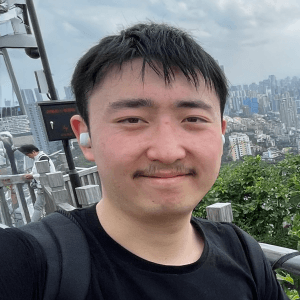
Dr Yunlong Qiang
Research Associate, Macquarie University and former PhD Student,
Solitons have long been a fascinating physical phenomenon, capturing the interest of both physicists and mathematicians alike. Their appeal lies in their properties; simply described, solitons are wave packets that are unchanging in shape as they propagate due to the balance of linear and nonlinear effects. In optics, where solitons have been extensively studied, the conventional soliton solution results from the balance of quadratic linear dispersion and the nonlinear Kerr effect, solutions of the nonlinear Schrödinger equation (NLSE). However, recent experimental breakthroughs demonstrated the existence of whole new families of soliton solutions, emerging in the presence of higher-order dispersion effects. The research aimed to explore and understand this vast new solution space, requiring us to find new and effective ways of solving the corresponding generalised NLSEs with higher order dispersion. Three distinct approaches were employed to simplify, categorise, and find soliton solutions in this infinitely large solution space; however, in this talk, I will focus on just one. This approach aims to address a key question: is it possible to find analytic solutions for these novel soliton solutions?
Yunlong Qiang completed a BSc (Advanced Mathematics) (Honours) in 2020 at the University of Sydney, followed by a PhD in 2025, also at the University of Sydney, under the supervision of Associate Professor Tristram Alexander and Professor Martijn de Sterke. Currently, he works as a research associate in nonlinear optics at Macquarie University, under the supervision of Prof. Michael Steel, in the field of optoacoustics. His research interests are in the areas of nonlinear optics and optical solitons.
 Combining spatial, genetic, and environmental risk data to define and prioritise in situ conservation units
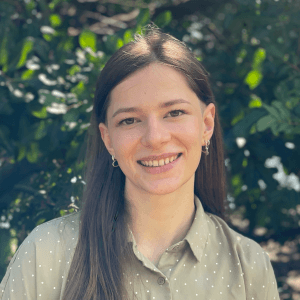
Eilish McMaster
Scientific Officer, Botanic Gardens, Sydney and PhD Student, University of Sydney
Much conservation effort focuses on protecting threatened species outside their natural habitats, such as in seed banks or captive breeding programs. However, conserving species where they naturally occur (in situ) is often the most effective way to prevent extinction. This is challenging because threatened species are often spread over large areas, resources are limited, and different locations face different risks, such as future fire. This study combined mapped locations of individual trees with genetic data from the same trees across three Endangered or Critically Endangered rainforest species in northern New South Wales. She also used vegetation maps and burn histories from the 2019/20 Black Summer bushfires. Using these data, a clustering-based method was used to prioritise groups of trees that are critical for genetic diversity or at high fire risk. This helps managers target actions, such as installing sprinklers, reducing flammable vegetation, or focusing firefighting efforts, where they will have the greatest impact. By integrating location, genetic, and environmental data, this approach makes better use of limited conservation resources and can be applied to other species, threats, and regions.
Eilish McMaster is a PhD student at the University of Sydney and also a scientific officer at the Botanic Gardens of Sydney. She works on the population genomics of threatened plant species with the goal of improving management outcomes using applied genomics. Through her work across the two organisations, she has been able to develop and apply new methods across a diverse range of species.
 Balancing legal privilege with anti-money laundering obligations
Isabelle Nicolas
Lawyer, AUSTRAC and PhD Student, Macquarie University
Criminals engage legal professionals for their skills and services to facilitate the laundering of proceeds from crime. Despite this risk, Australia was one of the few countries globally that remained non-compliant with international anti-money laundering (‘AML’) standards set by the Financial Action Task Force (FATF’. These standards urge States to impose preventative measures on legal professionals to provide intelligence to assist law enforcement in detecting financial crime. Representatives of the legal community vehemently opposed regulating legal professionals under Australia’s AML laws since the inception of Australia’s formal AML framework, fearing that it would cause irreconcilable tension with lawyers’ ethical duties to uphold legal professional privilege (LPP).
Isabelle’s research considered the ways other comparable jurisdictions implemented their AML obligations, while preserving LPP. She made a number of policy recommendations based on best practices in the UK and New Zealand. Shortly after the publication of her research, the AML/CTF Act was amended in 2024 to regulate lawyers, and Isabelle now works on implementing the reforms at AUSTRAC.
Isabelle Nicolas (BA, JD, MRes) is a lawyer specialising in financial crime policy and regulation at AUSTRAC. She is a teaching academic at the Macquarie Law School where she teaches anti-money laundering and serves as an associate director at the Financial Integrity Hub. Isabelle completed her Master of Research in law, where she considered the impact of AML obligations on lawyers in Australia. She has co-authored a textbook on financial integrity, and she is currently a PhD student at Macquarie University.
 Sick of bad dates? Try sensing their microbiome! Heritable endosymbionts change the chemical profiles of male thrips, allowing females to choose compatible partners
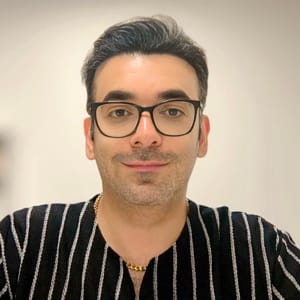
Amir Tourani
PhD Student, Western Sydney University
Across the animal kingdom, individuals use chemical cues to choose healthy, compatible mates to avoid detrimental fitness consequences. Our research shows that in insects, maternally transmitted Cardinium and Wolbachia bacteria play a role, too. Both are common endosymbionts affecting reproduction, for example, by inducing cytoplasmic incompatibility (CI). CI results in embryonic mortality when endosymbiont-carrying males mate with endosymbiont-free females. CI allows the endosymbionts to spread in populations and is exploited in pest control. Many insects carry several endosymbionts, which may result in conflicts between them and their hosts. Using Kelly’s citrus thrips, an Australian pest with both CI-inducing bacteria, we investigated whether this conflict shapes host mating decisions. Through controlled mate choice experiments, we discovered that Cardinium females avoid mating with males carrying both Cardinium and Wolbachia, a pairing that would trigger CI. We found that males with different endosymbiont associations have distinct cuticular hydrocarbon profiles. Notably, Wolbachia males produce a unique compound, tridecane, which is absent in males without Wolbachia. Our findings reveal that Cardinium enables its host to reject incompatible mates with Wolbachia that are recognisable because of their chemical profile. This shields the host from the reproductive cost imposed by a competing endosymbiont. Our research uncovers a new dimension of sexual selection driven by microbial interactions and shifts our understanding of symbiont ecology, which is important for endosymbiont-based pest control strategies.
Mr Amir Tourani is a PhD Candidate at the Hawkesbury Institute for the Environment, Western Sydney University. His research investigates the interaction dynamics of the two common maternally transmitted insect endosymbionts Cardinium and Wolbachia in their host, the Kelly’s citrus thrips. My research lies at the intersection of microbial symbiosis, sexual selection and chemical ecology. He is fascinated by how these common microbial partners of insects manipulate host reproduction and behaviour to spread, and how such conflicts shape animal mating systems and drive symbiont-host coevolution. His award-winning research articles, published in Proceedings of the Royal Society B and Evolution Letters, have demonstrated how two endosymbionts can alter the host’s chemical communication system to avoid the reproductive cost imposed by one, a novel insight into microbial-driven sexual selection. This research also explores the applied potential of endosymbiont-based strategies, such as the Wolbachia-based incompatible insect technique and population replacement strategy, for the sustainable management of agricultural pests and vector-borne diseases.
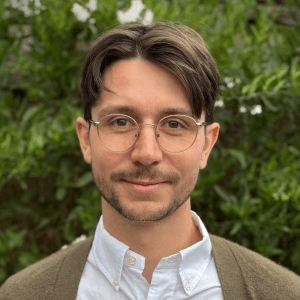 Constructing a computational bridge between neurobiology and psychology
Christopher Whyte
PhD Student, University of Sydney
Understanding the neurobiological basis of cognitive and psychological functions faces a critical obstacle: the explanatory gap between human and animal model-based neuroscience. Human participants can perform a rich array of behavioural tasks that precisely target key psychological constructs, but our ability to non-invasively record and control neural activity is limited. Conversely, in animal models, it is possible to record and perturb neural activity with exquisite detail and precision; however, the range of psychological constructs that can be studied is highly restricted. This talk presents an approach that bridges this explanatory divide by constructing biophysical models based on nonlinear dynamical systems theory that explicitly link animal-model-based systems neuroscience with human psychology, providing a potential bridge between cellular-level mechanisms and psychological function.
Christopher Whyte is a theoretical neuroscientist and postdoctoral researcher at the University of Sydney. Originally trained as a cognitive scientist, Christopher’s academic career took a pivotal turn when his interest in maths inspired him to retrain as a theoretician and computational modeller. He now works at the intersection of neurobiology, psychology, and applied mathematics. He uses advanced tools from nonlinear dynamics and machine learning to build neurobiologically informed models linking neurobiology and cognitive science. His work aims to simulate and analyse fundamental biological and cognitive functions, with a specific focus on the mechanics of decision-making, perceptual awareness, and the global states of consciousness.
He recently submitted his PhD in computational neuroscience at the University of Sydney. His diverse academic background also includes an MPhil in computational neuroscience from the University of Cambridge, an MPhil in experimental psychology from the University of Sydney, and a BSc in cognitive and brain sciences from Macquarie University.
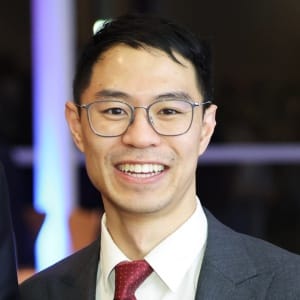 Unravelling the pathogenesis of Sjögren’s disease from bedside to bench
Dr Adrian Lee
Clinical Immunologist, Westmead Hospital and Westmead Institute for Medical Research
Autoimmune diseases are conditions caused by the inadvertent attack of the immune system on healthy tissues. Sjögren’s disease is one of the most common systemic autoimmune diseases that preferentially affects women. It may cause debilitating dryness symptoms, pain, fatigue and various organ damage leading to a compromised quality of life. This talk will explore the presenter’s journey and interest in autoimmunity and Sjögren’s disease. His research into Sjögren’s disease will also be discussed, focusing on how a type of immune cell (B cell) contributes to the pathology of this disease and how by-products of B cells (autoantibodies) can be used to provide useful information in the clinic.
Dr Adrian Lee is a scientist and consultant clinical immunologist at Westmead Hospital and the Westmead Institute for Medical Research. He graduated from medical school in Tasmania, followed by specialty training in medicine and pathology in Adelaide and Sydney. His clinical and research interests focus on autoimmunity and Sjögren’s disease. He established the first Sjögren’s disease biobank and registry in NSW, a Sjögren’s disease special interest group amongst clinicians and is on the medical advisory board for the newly established Sjögren’s Australia patient advocacy group. He has published over 100 peer-reviewed papers with >92% as first or senior author.
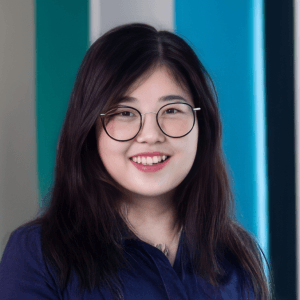 Lighting up disease: How nanoscale light is changing the way we detect illness
Dr Jiayan Liao
Senior Lecturer, NHRMC Emerging Leader Fellow, and Chancellor’s Research Fellow, University of Technology Sydney
Modern medicine increasingly depends on the ability to detect disease early, accurately, and with minimal invasiveness. Yet many existing diagnostic tools struggle to identify low-abundance biomarkers or to distinguish complex disease signatures at their earliest stages. In her talk, Jiayan will explore how advances in nanotechnology and photonics are enabling a new generation of light-based diagnostics that can reveal disease signals.
She will introduce the unique ways in which light interacts with matter at the nanoscale, and how recent advances now allow these interactions to be precisely engineered. Building on these principles, her research focuses on designing light-emitting nanoprobes that can be read out at the single-molecule level. When combined with advanced optical detection strategies, these nanomaterials enable dramatic improvements in sensitivity and specificity. Together, these advances aim to shift diagnostics from late-stage detection to early intervention, improving patient outcomes while reducing pressure on healthcare systems.
Dr Jiayan Liao is an interdisciplinary scientist working at the intersection of nanotechnology, photonics, and biomedical diagnostics. Her research focuses on developing next-generation bioanalytical and imaging tools that enable highly sensitive, single-molecule detection and multiplexed disease biomarker analysis.
She completed her PhD at the University of Technology Sydney (UTS) in 2020 and has since established a research program centred on upconversion nanotechnology, advanced imaging, and light-based diagnostic assays. In parallel, Dr Liao has built strong collaborations with Australian small-to-medium enterprises to translate laboratory discoveries into practical diagnostic technologies.
Dr Liao is currently a Senior Lecturer in the Faculty of Science at UTS and holds both an NHMRC Emerging Leadership Fellowship and a UTS Chancellor’s Research Fellowship. Her work has been recognised through competitive national awards, including the 2024 NSW Premier’s Prize for Science & Engineering (Early Career Researcher of the Year – Physical Sciences) and the 2023 NHMRC Bernie Banton Investigator Grant Award.
Beyond her research, Dr Liao is a committed mentor and science communicator, actively contributing to industry translation, editorial service, and the training of future scientists.
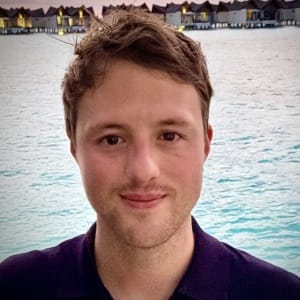 Multiscale coordination of brain activity unifies theories of neural coding
Dr Brandon Munn
Postdoctoral Research Fellow, University of Sydney
How does activity at the level of individual neurons scale up to coordinated whole-brain dynamics that support flexible behaviour? In this talk, Brandon will present a physics-inspired framework for understanding brain activity as a multiscale system governed by universal principles. Drawing on large-scale neural recordings across species, he will show that neural activity exhibits conserved fractal organisation across spatial and temporal scales. By adapting tools from statistical mechanics, dynamical systems theory, and information theory, this work reveals how the brain balances efficiency and resilience, a fundamental trade-off faced by many complex physical systems. Importantly, these macroscale patterns emerge despite substantial variability at the cellular level, suggesting that brain dynamics can be described using simple, scale-invariant laws.
Brandon will also discuss how these insights bridge traditionally separate domains of neuroscience, linking cellular-scale processes with large-scale brain networks through principled multiscale modelling. More broadly, this work illustrates how concepts developed in physics can uncover unifying structure in biological systems, offering a new lens on brain function.
Dr Brandon Munn is an early-career DECRA fellow (2026–2028) at the University of Sydney. His research sits at the intersection of physics, mathematics, and neuroscience. Originally trained in theoretical physics and mathematics, he completed his PhD in the Complex Systems Group (School of Physics, University of Sydney) before transitioning into systems neuroscience as a postdoctoral researcher under the supervision of Mac Shine. His research combines cross-species multimodal neural recordings (fMRI, electrophysiology, calcium imaging), biophysical modelling, and analyses inspired by statistical mechanics and information theory. He has a particular interest in understanding how brain activity is coordinated across scales, from single neurons to whole-brain systems, and how this organisation supports efficient neural information processing.
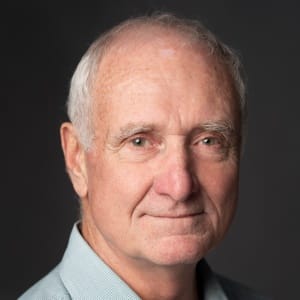 Mr Robyn Williams AO FRSN FAA
Science Journalist, Broadcaster, and Presenter of the ABC RN Science Show
Robyn Williams AO FRSN FAA, British/Australian science journalist and broadcaster, will chair the presentation of awards. Over the decades since, he hosted Innovations and Investigations from 1974, The Science Show on ABC Radio National (RN) in 1975, and created Ockham’s Razor in 1984, he has become one of Australia’s best-recognised science communicators. He brings clarity, judgement, and humour to the complexities of scientific research.


| Royal Society of New South Wales | |
| Date: | Monday, 09 March 2026, 06:00 PM |
| Venue: | University of Sydney, Michael Spence Building (F23), Level 5 Function Room |
| Entry: | No charge |
In Person Event
All are Welcome

 31 December 2026
 Various face-to-face and online venues